I connect
digital marketing with execution.
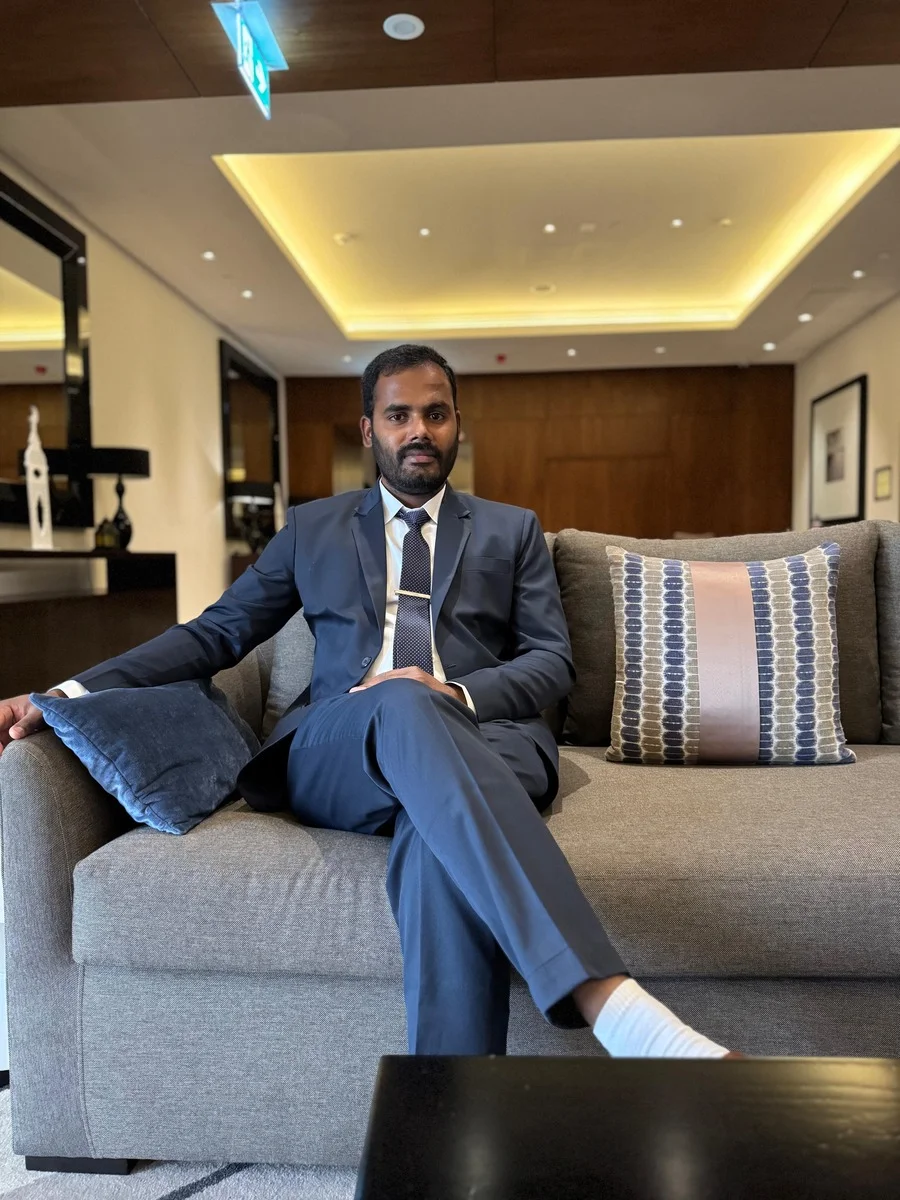
I’m a digital marketing specialist in Dubai who brings strategy, advertising, SEO and technology together to create a more complete path from visibility to growth.
I’m a digital marketing specialist based in Dubai, with a Bachelor of Engineering in Computer Science and a Technical Diploma in Computer Engineering. I work across paid advertising, SEO, social media and marketplace management for brands focused on measurable growth.
On the technical side, I use my web development skills to build and improve Shopify stores, WordPress sites and custom web applications — so the traffic I generate has a better chance of converting.
How I got here.
The path here — engineer first, developer next, marketer by necessity.
Engineer first
Started with an engineering mindset — break the problem down, find the root cause, don't guess when you can measure.
Developer next
That mindset turned into building — websites, tools, systems. If something was inefficient, the instinct was to build a better version of it.
Marketer by necessity
Clients kept asking the same question after launch: "great, but who's going to bring people to it?" Learning to answer that properly became the marketing side of the work.
What this approach
looks like day to day.
Morning check-in first
Ad spend, campaign performance and anything unusual gets reviewed before anything else starts.
Direct communication
Updates come straight from me — no account manager relaying messages, no waiting on an internal approval chain.
Weekly, not quarterly
Campaigns and site changes get reviewed and adjusted every week — issues get caught while they're still small.
One person, start to finish
The person planning the strategy is the same person running the ads and touching the code — nothing gets lost in a handoff.
A few things I
keep coming back to.
Traffic without conversion is just a vanity number.
If the ads work but the site doesn't convert, nothing else about the campaign matters.
Every channel should earn its budget.
If a channel isn't moving the number that actually matters, it gets cut — not defended in a report.
Simple beats clever.
A page a customer understands in three seconds outperforms a beautiful one they have to think about.
Report what changed, not what happened.
A report should tell you what to do next — not just repeat the numbers back to you.
GOT A PROJECT
IN MIND?
Tell me what you're building, where you're stuck, and where you want to go.
Start a conversation ↗