DIGITAL MARKETING
SPECIALIST
IN DUBAI
I create data-driven digital marketing strategies that improve visibility, generate leads, and drive measurable business growth.
Google Ads · SEO · E-commerce · Social Media · Analytics
Average campaign growth
Average ROAS
Revenue generated
Brands helped
I'm a digital marketer based in Dubai, focused on paid advertising, SEO, social media and e-commerce — using data-driven strategies to turn digital traffic into measurable business growth.
More about how I work →
Digital marketing
skills, from strategy to execution.
Google Ads
Search, Shopping and Performance Max campaigns focused on conversions, efficient ad spend and measurable growth.
Social Media Marketing
Organic content and paid social strategies that build audiences, increase visibility and generate leads.
SEO
On-page, technical and content SEO designed to improve search visibility and attract high-intent traffic.
Shopify Development
Conversion-focused Shopify stores, custom themes and sections built for performance and growth.
Custom Website
Custom React and Laravel websites built around business goals, user experience and performance.
WordPress Development
Fast, flexible WordPress websites with custom themes, Elementor and tailored functionality.
Custom Web Application
CRMs, dashboards and business applications built around specific workflows and operational needs.
Marketplace Management
Amazon and Noon marketplace management covering listings, advertising and account performance.
A data-driven process, Built
around growth.
Most marketing problems start before the first campaign launches. Without the right strategy, tracking and website foundation, even good traffic can fail to generate results.
I connect digital marketing, advertising and development as one process. This means your marketing strategy considers the website, tracking and customer journey from the start.
Every project follows five clear steps — from research and strategy to implementation, optimisation and growth.
Discovery & Audit
Review the website, ad accounts and analytics to identify what is limiting growth.
Strategy & Plan
Build a digital marketing plan across SEO, Google Ads, social media and marketplaces, aligned with your goals and budget.
Build & Launch
Launch campaigns, optimize listings or improve the website based on what will have the greatest impact.
Measure & Optimize
Track conversions, identify what is working, improve performance and scale successful campaigns.
Report & Iterate
Clear reporting with actionable insights, results and the next steps for continued growth.
Notes on marketing
& building online.
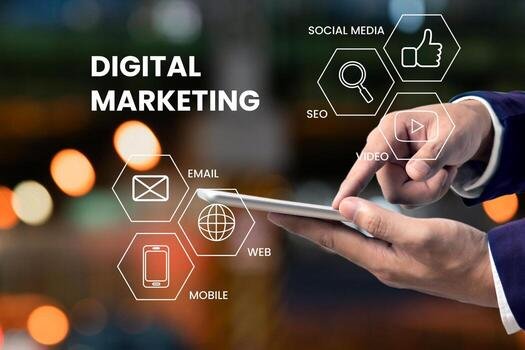
Digital Marketing in Dubai: A Practical Guide to Growing Your Business Online
Digital marketing helps businesses in Dubai attract the right audience, increase online visibility and generate measurable growth through SEO, Google Ads, socia...
Read more →Amazon vs Noon: Where Should You Sell First in the UAE?
Every seller asks this eventually. Here's how I actually decide it for clients — based on category, margins and how much operational overhead they can handle.
Read more →SEO Checklist for Shopify Stores in 2026
The technical and content fixes that move Shopify rankings fastest.
Read more →
HAVE A BRAND
WORTH GROWING?
Tell me what you're building, where you're stuck, and where you want to go.
Start a conversation ↗